
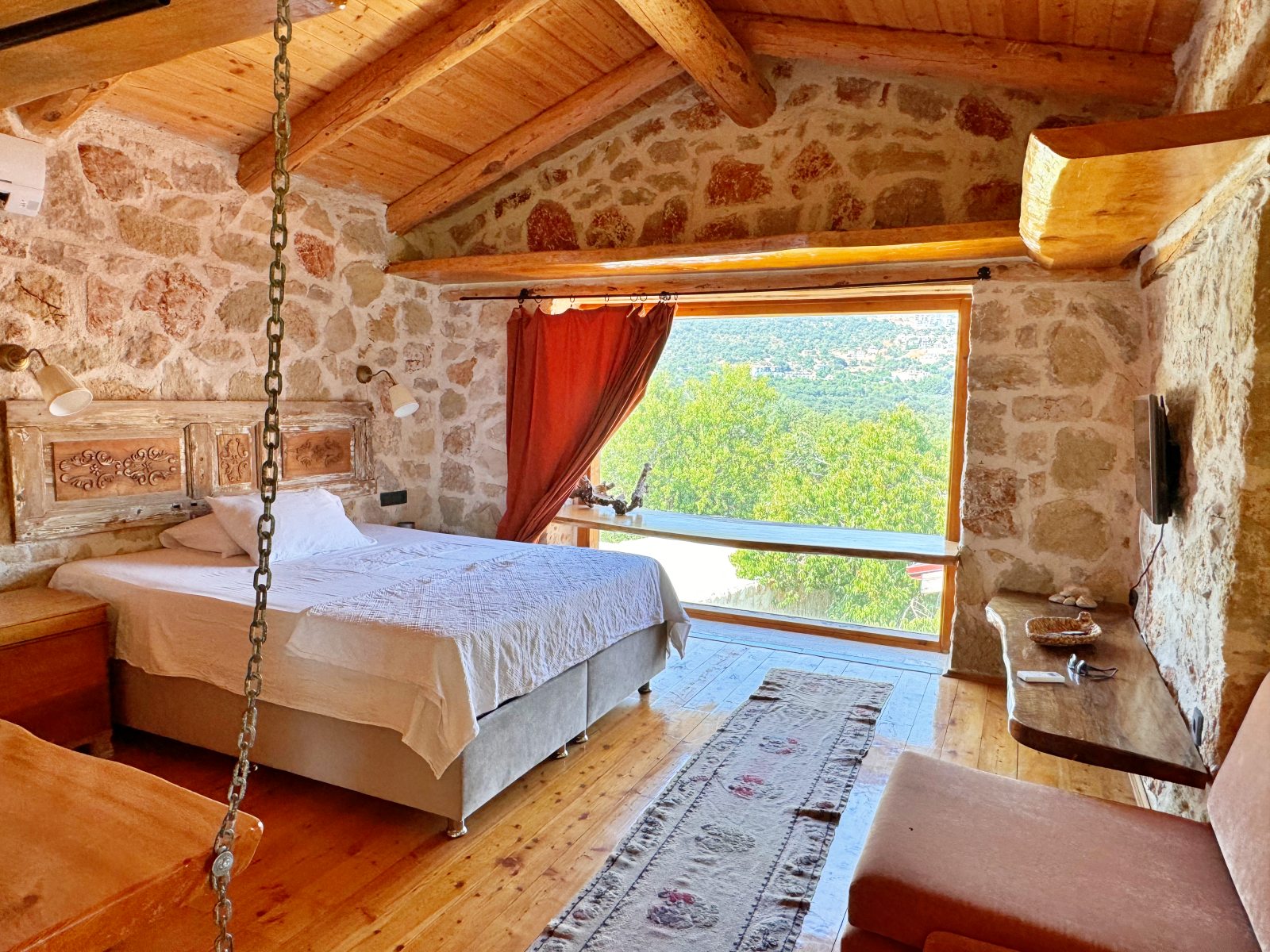
A photograph should answer the guest’s question
A hotel photograph can look attractive while making room selection difficult. There may be five similar shots of the bed, yet it is unclear how the balcony can be used, how the bathroom is arranged or where an extra bed fits. When guests cannot picture the experience they will pay for, they may keep looking elsewhere. Photography alone does not guarantee bookings; it must be considered alongside price, location, availability and the reservation process.
Start the shoot plan with your room inventory
Before shooting, put room types, bed arrangements, capacity and distinguishing features into a table. Prepare separate lists for standard rooms, family rooms and suites. Record differences in views or balconies within the same room type. Using photographs of one sample room across every category creates uncertainty between the product being purchased and the one being shown.
Essential shots for each room type
Let the first photograph explain the overall room layout. A second angle should show the relationship between the bed and circulation space. Then cover the bathroom, shower, storage, workspace and balcony, where available. If only certain rooms have sea views, state this in the image description. Towel or décor details should not replace the essential shots that explain the room.
The boundary between looking spacious and looking accurate
A wide-angle lens helps describe a small space, but excessive perspective can make beds or corridors appear larger than they are. Check vertical lines and window surrounds. Colour grading should keep wall and fabric colours close to reality. Work with suitable angles and lighting rather than removing permanent surroundings to invent a different view. The room guests encounter should match the photographs.
Prepare operations before the shoot
Check room cleaning, curtains, bedding, light bulbs, windows and balcony furniture before shooting. Preparing rooms after the photographer arrives uses up shooting time. Agree room availability with reception and the preparation sequence with housekeeping. Arrange interior and exterior shots according to sunlight on each façade; one time of day may not suit every space.
Shared spaces are part of the purchased experience
Breakfast areas, pool surroundings, beach access, parking and the arrival route answer guests’ practical questions. Breakfast photographs should represent the actual service; paid or seasonal services should be distinguished in the description. For accessibility, show concrete features such as entrances, passageways and bathrooms instead of making a blanket suitability claim, and verify current measurements with the property.
How could a shoot day be organised?
This sequence is a preparation example, not a production commitment: shoot vacant, ready rooms first, then shared spaces with suitable lighting, breakfast or the restaurant during service, and the exterior in evening light. Room count, weather and occupancy affect timing. Checking the shot list after each stage prevents missing bathroom or balcony photographs from being discovered only after returning.
What order should photographs follow in the gallery?
On a room page, start with a strong overall image that represents that room type. Follow with another angle, the bathroom and distinguishing features. Placing the hotel’s general pool image first in a room gallery makes room comparison harder. Capacity, bed type and service information alongside the images should complete the picture. Give each photograph a distinct purpose instead of repeating the same view.
Plan website and social media delivery separately
A landscape website image and a portrait Reels cover require different framing. Leave room for different uses during the shoot. Archive the originals and prepare publication copies for their intended placement. On the actual mobile page, check that key room details are not cropped and that images load. File names and descriptions should identify the room type without adding features absent from the image.
Do not judge success by likes alone
Monitor transitions from room pages to the booking step and the questions guests ask. If the same view or bathroom question keeps appearing, the gallery may not explain it clearly enough. When comparing periods before and after a photography update, account for prices, campaigns and seasonality. Attributing a single increase directly to the shoot is not a sound assessment.
Connect production with tourism marketing
At Sosyal Zeplin, we plan shoots by discussing which decision the photographs should help guests make. Photography and video production should produce content used consistently across room pages, advertisements and social media. In our 360 Tourism digital marketing approach, we place these visuals at the relevant stages of the booking journey.
A final check before shooting
Are room categories current? Have overall views, bathrooms and distinguishing features been listed for each category? Is the service shown actually provided? Are mobile and desktop placements defined? Is it clear which room page each file belongs to? Once these questions are answered, the shoot becomes more than a search for attractive images: it creates a usable visual archive.
Where should your brand start?
Share your website and priority. Let us define the scope together.