
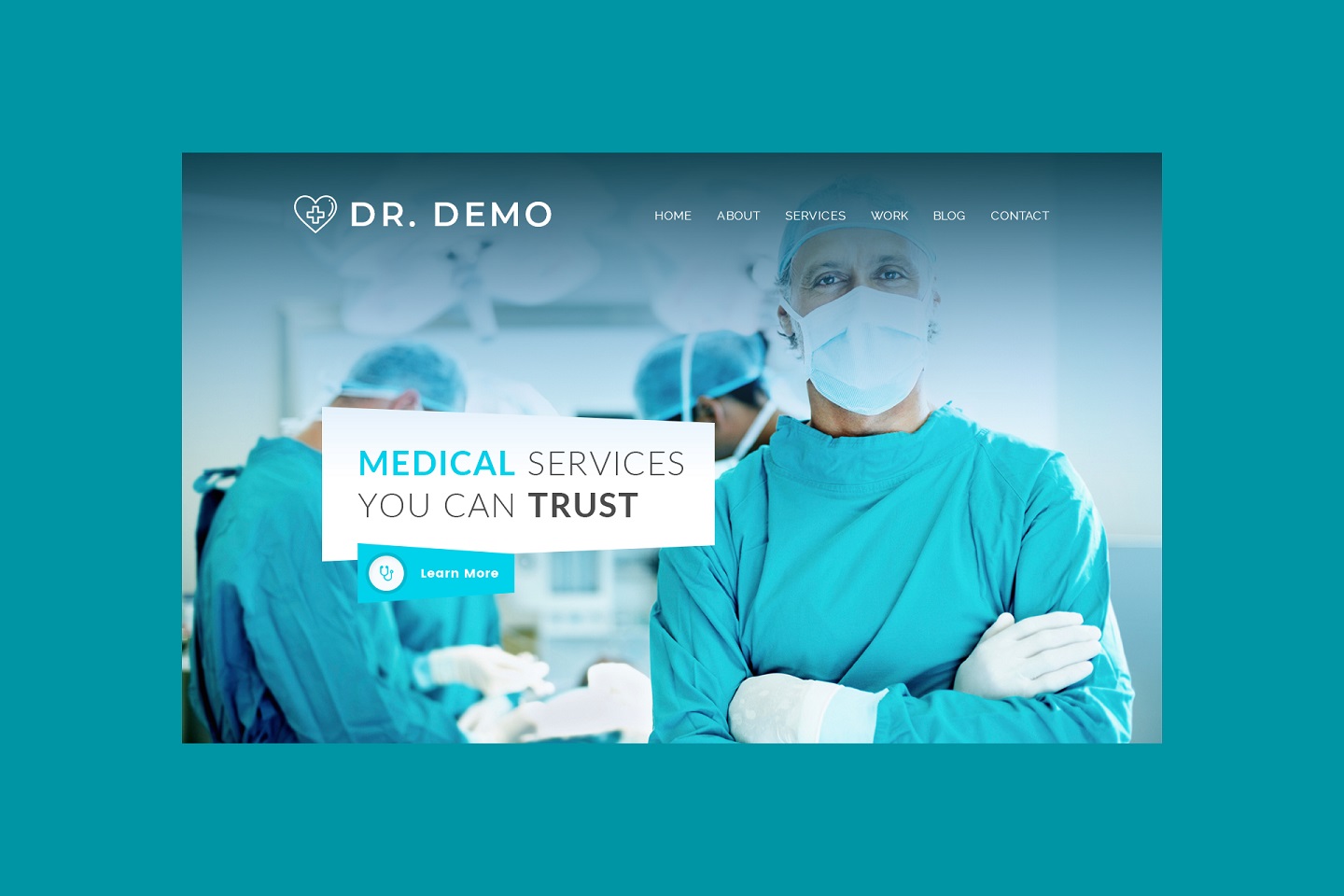
A medical tourism website should clearly explain the organisation’s services, doctors and international patient communication process in different languages. This checklist helps you assess which information or usability steps are missing from your current website.
If you want a new website or to renew your existing infrastructure, explore our medical tourism website design and development service . Here, we address page, language and communication requirements you can check before requesting a design proposal.
Six Checks for an Existing Medical Tourism Website
- Organisation and doctor informationCan visitors find identity, qualifications, address and the actual scope of services?
- Language consistencyDo content, form explanations and the communication team match the selected language?
- Information pagesAre the process, risks and follow-up explained under the review of an authorised doctor?
- Mobile usabilityCan the menu, language selection and contact steps be used on a phone?
- Enquiry routeIs it clear which team and channel will receive a question?
- Currency and measurementIs outdated information updated, and are clicks tracked separately from actual enquiries?
Multilingual Publishing and Localisation
English can be a basic starting point; Arabic, German, French, Russian or other languages should be selected according to the target market. Instead of an automatic translation layer, use a dedicated page, local keywords and medical-language review for each language.
- Organise languages in directories:
/en/,/de/,/ar/ - Localise the title, description and content intent for each language.
- Implement correct hreflang and canonical tags.
- Ensure the communication team can genuinely serve patients in the relevant language.
It Should Be Mobile-Friendly and Fast
Prospective patients may visit the website using different devices and connection conditions. Instead of a fixed “two-second” promise, regularly monitor Core Web Vitals, real-user data and page weight.
- A responsive and accessible interface
- WebP or AVIF images
- Reducing unnecessary video and script load
- Easy-to-use forms and contact areas on mobile
- Monitoring through PageSpeed Insights and Search Console
Explain the Treatment Process Visually
An international patient wants to know, “What process will I experience there?” Clinic introductions, doctor explanations, transfers, accommodation, check-ups and post-treatment follow-up can be described through short videos, photographs and clear text.
Before-and-after and patient-experience content must also be assessed against current regulations, explicit consent, privacy and the principle of avoiding misleading presentation.
Highlight Trust Factors
- Doctors’ professional and academic titles
- Verifiable authorisation and contact information for the organisation
- Treatment process, risks and approach to follow-up
- International patient department and interpreting information
- Privacy, KVKK and data-processing notices
- A secure channel for forms and document sharing
Establish Clear Contact Steps
Instead of many competing buttons on each page, define clear primary and secondary actions. Labels such as “Request an initial consultation”, “Message a patient adviser” or “Explore the process” should match the actual scope of services.
Before using wording that suggests free services, guarantees or certain outcomes, assess its compliance with current health-promotion regulations.
SEO and Technical Infrastructure
- One descriptive H1 and a logical H2–H3 hierarchy
- Original pages addressing treatments, doctors, cities and patient questions
- Physician, MedicalClinic and other appropriate structured data matching visible page information
- HTTPS, security updates and backups
- A multilingual sitemap and correct indexing
- A regular but quality-focused content calendar
Core Pages in the Patient Journey
- Doctor and organisationExplain qualifications, the team, address and areas of practice.
- Treatment guideProvide information on suitability, process, risks and follow-up.
- Travel processDistinguish the scope of transfers, accommodation and interpreting.
- ContactEstablish a secure initial-consultation and document-sharing flow.
- Follow-upExplain the communication plan after returning home.
Conclusion
A medical tourism website should be a multilingual, mobile-friendly, fast, visually strong and trustworthy digital welcome centre. Content accuracy, technical SEO, data security and patient coordination matter as much as design.
Where should your brand start?
Share your website and priority. Let us define the scope together.
Frequently Asked Questions
What information should a medical tourism website contain?+
Doctor and organisation information, treatment processes, content appropriate to target languages, contact options, legal notices and trust factors explaining the patient journey should be clearly presented.
Can a multilingual healthcare website be created through literal translation?+
No. Content must be localised because search behaviour, terminology, cultural expectations and legal requirements vary by market.
Should a medical tourism website use WhatsApp?+
It can be used for quick initial communication, but personal health-data security, clear information and appropriate data-processing procedures must be respected.