
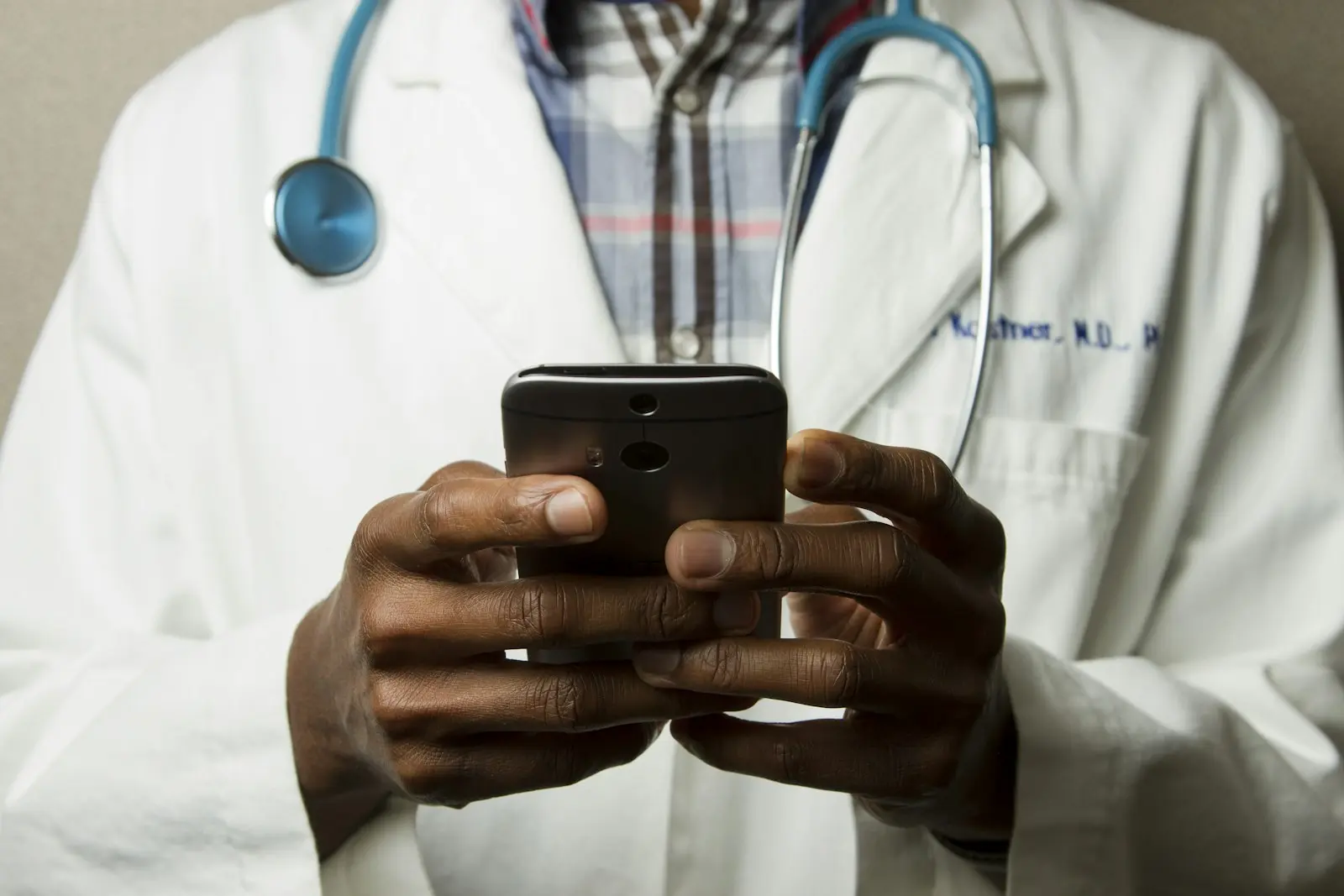
Patients now assess more than a hospital’s website: they also examine specialties, health information, institutional approach and communication quality on social media. For hospitals, social media is therefore a healthcare communication function far broader than a posting calendar.
A successful strategy manages awareness, health literacy, trust and appropriate guidance alongside patient privacy, scientific accuracy and healthcare promotion rules. The priority is an institutionally verified, sustainable system rather than rapid content production.
Benefits of social media for hospitals
Social media enables regular, understandable communication with target audiences. Its value comes from giving the right information to the right person, as well as reach.
- Patient communication: Explain contact channels, working arrangements and access to services.
- Health literacy: Simplify preventive health information with expert approval.
- Institutional awareness: Present specialties, teams and health projects with a consistent identity.
- Feedback: Turn recurring questions and experience problems into operational improvements.
- Crisis communication: Publish verified statements from one center during misinformation or emergencies.
Social media should provide trustworthy information and guide users to appropriate healthcare channels, rather than diagnose.
Define the audience and communication purpose
“Reaching everyone” is not measurable. Patients, relatives, health professionals, job candidates, media and stakeholders need different information. Define the audience, purpose and expected next step for each item.
Pediatric content might answer a parent’s question, while LinkedIn announces a scientific meeting to professionals. Consider context and behavior instead of copying identical text across platforms.
Use platforms according to their role
Choose platforms for institutional objectives and production capacity, not because they are fashionable. Prioritize channels that can be managed consistently, safely and well instead of being everywhere.
- Instagram: Short expert explanations, infographics, institutional life and content series.
- Facebook: Community information, events and longer explanations.
- LinkedIn: Academic work, congresses, employer branding and institutional developments.
- YouTube: Detailed doctor explanations, health literacy series and subtitled guides.
- X: Current institutional statements, announcements and public health communication.
- TikTok: Short educational formats for appropriate audiences without compromising scientific or ethical review.
Social comments and inboxes are not safe emergency care channels. Clearly state emergency guidance in profiles and automatic replies.
Build a strategy with topic pillars
The calendar should not consist only of special dates. Create ongoing pillars around hospital specialties, audience questions and seasonal needs.
- Preventive healthRisk reduction, screening, vaccination, habits and appropriate care-seeking for symptoms.
- Expert explanationDoctor-verified education with clear limits and no personal diagnosis.
- Access to careExplain departments, locations, schedules, preparation and appointments.
- Institutional trustScientific meetings, quality initiatives, social responsibility and team development.
- Frequently asked questionsSafe answers to recurring questions from call centers and digital channels.
Link every topic to a webpage or verified institutional source. Social media can provide a short introduction while detailed, updatable content remains on the hospital’s own digital property.
Choose the format for the message
Reels or short videos can increase reach, carousels can break down complex topics, and long videos suit expert explanations. Choose for understanding rather than the algorithm.
- Show the doctor’s name, specialty and topic limits in videos.
- Use subtitles so the main message is understandable without sound.
- Include sources, dates and update responsibility in infographics.
- Avoid fear-based headlines and promises of certain results.
- Do not overload one item with medical messages.
- Provide appropriate guidance and emergency notices when needed.
Manage doctor and hospital accounts within one system
Doctors’ professional communication and institutional communication can support one another. Establish a written policy covering names, logos, filming areas, scientific sources, patient imagery, comment replies and crisis reporting.
Before publication, check medical accuracy, institutional tone, image rights, personal data and regulations. Details are in our doctor social media guide .
Protect privacy in comments and messages
Social teams should not make medical assessments or request private health data in public comments. Even if users describe treatment themselves, replies should not repeat it or confirm their attendance.
- Classify the messageDistinguish general information, appointments, feedback, medical questions and emergencies.
- Reply brieflyShow empathy without commenting on diagnoses, treatment or patient history.
- Move to a secure channelDirect to the authorized call center, patient rights unit or secure form.
- Manage recordsDefine internal procedures for permissions, retention and access.
- Analyze outcomesSend recurring problems to the responsible unit and follow improvements.
For a broader approach to patient reviews, see our clinic reputation management guide .
Prepare a crisis protocol in advance
Define spokespersons, the primary information channel and escalation to legal, senior management, medical leadership or information security before a crisis. A social media manager should not independently give medical or legal answers.
- Do not publish before verifying the incident.
- Separate known facts, unknowns and the next update time in the initial statement.
- Document screenshots and misinformation spread.
- Give staff an updated protocol against personal-account statements.
- Review processes, content and response performance after the crisis.
Healthcare promotion, KVKK and ethical limits
Digital healthcare communication in Turkey cannot follow ordinary advertising assumptions. The Regulation on Promotion and Information Activities in Healthcare Services dated 12 November 2025 sets its scope and limits. Assess every item for overt or covert advertising, misleading information, unfair competition and commercial encouragement of healthcare use.
Saying “we obtained consent” is not sufficient protection for patient photos, videos, reviews or treatment details. Consider Turkey’s personal data protection law KVKK, health legislation, consent scope, transfers, publication purpose and medical ethics together. Board decisions on hospital promotion show that consent is also examined in relation to content and use.
Publication permission is not unlimited usage rights that remove all legal and ethical healthcare communication duties.
Define production and approval workflows
Institutional success depends on a defined workflow rather than individuals. Document responsibility for requests, medical checks, legal review, design, final approval, publication, comments and updates.
Define higher approval levels for high-risk content. Review old or outdated medical information periodically instead of focusing only on new production.
Measure performance with appropriate metrics
Follower growth and likes are insufficient alone. Evaluate hospital social media with qualified indicators suited to communication objectives.
- Target-audience reach and video completion
- Saves, shares and qualified website visits
- Guidance to the right department or channel
- First response time for comments and messages
- Recurring patient questions and content needs
- Content corrections, removals or crises
- Contribution to appointments by source and device
Appointment attribution must respect data minimization, cookie consent and analytics limits. Content quality can be measured without turning every interaction into health data.
Hospital social media is trust management
Effective hospital social media is more than regular posting, large followings or viral videos. Scientific accuracy, clear language, privacy, quick guidance, institutional approval and crisis preparation must work together.
Sosyal Zeplin’s view: A strong healthcare brand consistently and humanely provides accurate information within appropriate boundaries, rather than speaking the most.
Official sources
Where should your brand start?
Share your website and priority. Let us define the scope together.
Frequently asked questions about hospital social media
What can hospitals post on social media?+
Institutional and contact information, specialties, professional and academic titles, and preventive or health-promoting information can be planned within the rules. Assess each item against current health legislation and institutional policy before publication.
Can patient photographs or videos be shared?+
Patient imagery involves personal data and often health data. Explicit consent alone may not make every post lawful or compliant with health promotion rules. Review the actual content under KVKK, health legislation, medical ethics and intended use.
How should negative patient comments be answered?+
Reply briefly and empathetically without confirming attendance or disclosing diagnosis or treatment details; move investigation to a secure private channel.
Which social platform matters most for hospitals?+
There is no single correct platform. Consider audience, purpose, production capacity and a measurable patient journey. Managing fewer platforms consistently and well is often healthier.
Which metrics measure social media performance?+
Alongside reach and followers, monitor content completion, qualified website visits, call center or appointment steps, response times, appropriate guidance and risks of content-related misunderstanding.
Should doctors’ personal accounts be part of the hospital strategy?+
Separate institutional and doctor account roles and responsibilities through a written policy. Establish shared standards for scientific accuracy, image use, privacy, crisis reporting and use of the hospital’s name.