
In fields where patients want to see outcomes, such as cosmetic dentistry, hair transplantation and aesthetic procedures, before-and-after photoscan help reduce uncertainty. But an effective comparison involves more than placing two images side by side: realistic expectations, standardized photography, patient privacy and current rules must be managed together.
Prospective patients often begin with questions such as “Is this procedure right for me?”, “How long does recovery take?” and “Can the result look natural?” Before-and-after images do not answer all these questions, but appropriate context can make a procedure’s limits clearer and help patients prepare for a consultation.
Incorrect lighting, different angles, filters, a single exceptional result or an impression of guaranteed outcomes can mislead rather than build trust. The real issue for healthcare organizations is therefore establishing a verifiable, ethical and sustainable visual communication standard rather than simply posting before-and-after images.
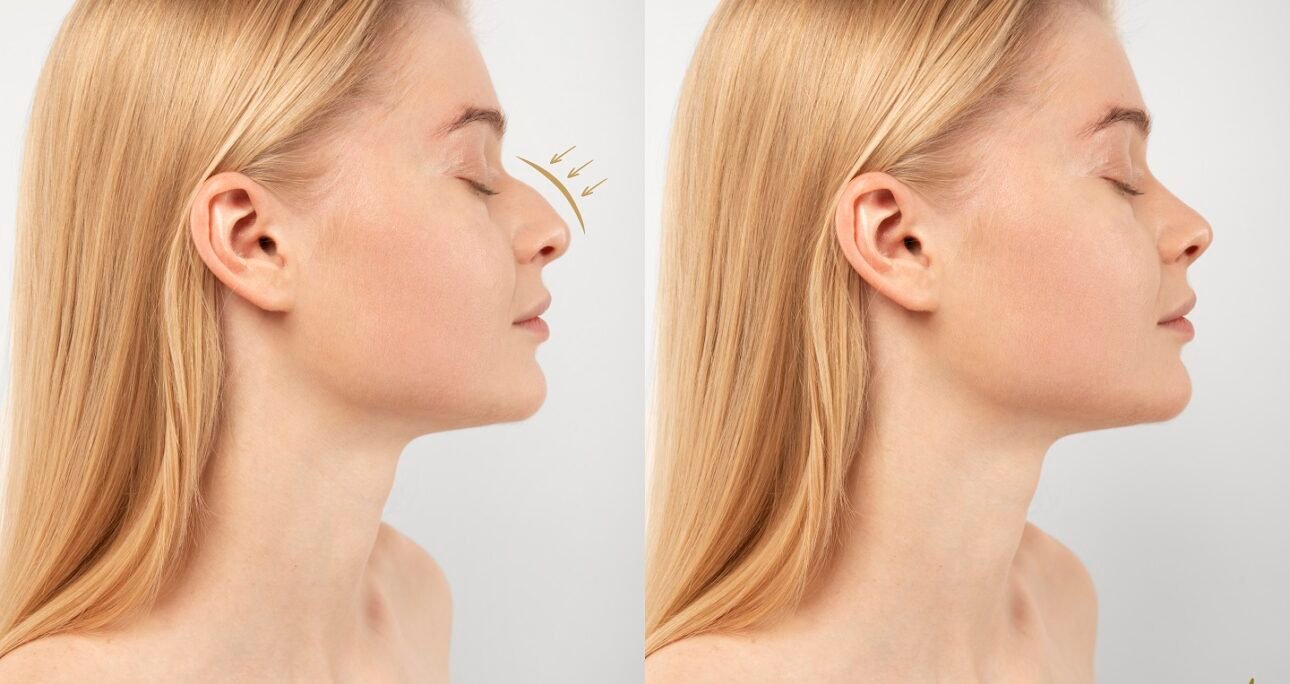
Reducing uncertainty in patient decisions
Choosing healthcare differs from choosing an ordinary product. Individual variation, medical risk and vulnerability can lengthen the decision process. Visual evidence can act as a reference that translates technical explanations into everyday language.
A well-prepared series explains where, to what extent and over what period change was observed, rather than merely promising “a better appearance.” It must also clearly state that the image shows one person’s result, outcomes will differ and suitability requires an examination.
A before-and-after image should help patients participate with more informed questions, rather than pressure them into deciding.
Building trust, but not sufficient alone
Real cases can demonstrate a clinic’s experience. Yet trust rests on more than transformation photos. The doctor’s expertise, a clear treatment plan, risk explanations, patient communication, clinical standards and follow-up are parts of the same chain.
Alongside the image, state the procedure, photography timing, non-personal case context and outcome variability. Absolute promises such as “perfect results,” “guaranteed transformation” or “you can look like this too” may exceed the informational limits of healthcare communication.
Consistent photography makes comparisons reliable
A common mistake is using more favorable technical conditions for the after shot. Changes in lighting, camera height, expression, makeup, hairstyle or posture may suggest a greater difference than the actual medical result.
- Same angle and distanceFix camera height, lens, focal length and framing.
- Same lighting and backgroundAvoid lighting differences that alter shadows or skin texture.
- Same posture and expressionMatch head position, shoulder angle and expression as closely as possible.
- Unfiltered recordingDo not use beauty mode, skin smoothing, retouching or edits that change anatomy.
- Clear timingMake the interval between the procedure and final photo visible and understandable.
Using the same protocol for every case improves archive quality, team consistency and comparability.
Where are these images used in digital marketing?
Before-and-after images can serve different purposes on website case pages, educational blog posts, social media series and doctor presentations. Consider the user’s intent in each channel rather than duplicating one image and caption everywhere.
- Website: Detailed information alongside procedure scope, process, recovery and common questions.
- Social media: Awareness through concise explanation, required notices and controlled visual comparison.
- Google visibility: Case-based content may support pages meeting the information needs of people researching a procedure.
- Consultation: Educational material explaining comparable anatomical situations and possible limitations.
Image SEO should use descriptive filenames, appropriate dimensions, fast loading and alternative text describing real content. Describe the image naturally rather than stuffing city and procedure keywords into alt text. Address this within a comprehensive healthcare SEO strategy .
Rules, patient privacy and explicit consent
Visual healthcare communication in Turkey is more than a marketing choice: Ministry of Health promotion and information rules, Patient Rights Regulation and the personal data protection law KVKK should be considered together. Current rules impose obligations concerning misleading content, explicit consent for patient images, technically honest comparisons and channel conditions.
Explicit consent should not be a blanket approval for use everywhere. Under KVKK’s approach, consent must be specific, informed and freely given. Clearly define the account or organization, channel, purpose, duration and withdrawal method. Treatment must not be conditional on consent to promotional image sharing.
Covering the eyes alone does not automatically anonymize a person. A profile, other facial features, tattoo, mole or case context may identify them. A hospital’s consent may not always cover posting on a doctor’s personal account. Define the data controller, publication channel and authorization limits clearly.
Important: This article provides general information, not legal advice. Before publishing, healthcare organizations should assess current rules for each case with specialist legal counsel and their compliance officers.
How to manage realistic expectations
A before-and-after photo shows only that patient’s result under particular conditions. Anatomy, age, skin, accompanying conditions, technique, healing and adherence to care can affect outcomes. Make this variation visible in the content.
The best content shows decision context as well as a good outcome: who was suitable, what limits were discussed, when the photo was taken and which recovery stage it shows. This can reduce pressure while increasing qualified inquiries.
Support images with the patient journey
A photo shows change; the patient’s story explains the process. Where permissions and legal conditions permit, questions before deciding, consultation learning, recovery experience and later assessment can enrich context.
The aim is not emotional pressure or generalizing an exceptional outcome. Use clear, verifiable accounts that do not expose unnecessary personal health data. Our approach to patient reviews is also covered in our clinic reputation management guide .
A before-and-after checklist for clinics
- Does the image comply with current rules and organizational policy?
- Does explicit consent cover the correct data controller, account, purpose and duration?
- Was consent given freely and independently of treatment?
- Were both shots taken under the same technical conditions?
- Are there filters, retouching or anatomical alterations?
- Are dates and time since the procedure clear?
- Does the text promise guaranteed results, superiority or misleading outcomes?
- Are required notices and individual outcome variation stated?
- Can images be removed from all publication and archive channels after withdrawal?
- Is the webpage fast, mobile-friendly and accessible with correct alt text?
Before-and-after photos are a trust system, not a sales trick
These photos can be strong visual references in healthcare and aesthetic communication. Sustainable use requires respect for privacy, equal technical conditions, explicit withdrawable consent, realistic expectations and compliance with current rules.
With the right approach, images help patients understand the procedure, question risks and limits and prepare for a consultation, rather than rush into a decision.
Sosyal Zeplin’s view: The most effective before-and-after content builds trust without distorting reality, protects patient rights and gives proper context, rather than showing the most dramatic difference.
Official sources and current rules
Where should your brand start?
Share your website and priority. Let us define the scope together.
Frequently asked questions about before-and-after photos
Do before-and-after photos affect patient decisions?+
Yes. Realistic comparisons under consistent conditions can help patients understand a procedure and ask appropriate questions. One image does not guarantee results or replace individual assessment and medical advice.
Can clinics share before-and-after photos?+
Sharing requires joint assessment of current Ministry of Health promotion rules, patient rights and KVKK. Patient images require specific, informed and freely given explicit consent; channel, audience and content conditions must also be considered.
Is covering the patient’s face enough?+
Not always. Covering part of the face may not anonymize someone because a profile, mole, tattoo or other distinguishing feature can identify them. Assess separately whether the image can be linked to an identifiable person.
How should before-and-after photography be standardized?+
Use the same camera, lens, distance, angle, lighting, background, framing, posture and, as far as possible, expression. Turn off filters, retouching and beauty mode.
Can photos guarantee results?+
No. Medical and aesthetic outcomes can vary by person, anatomy, recovery and procedure. Content must not present one outcome as typical or guaranteed for everyone.
Can explicit consent be withdrawn later?+
Yes. Under KVKK, consent can be withdrawn, with prospective effect from the time the statement reaches the data controller. Publication and archive processes should be designed to implement that request.