
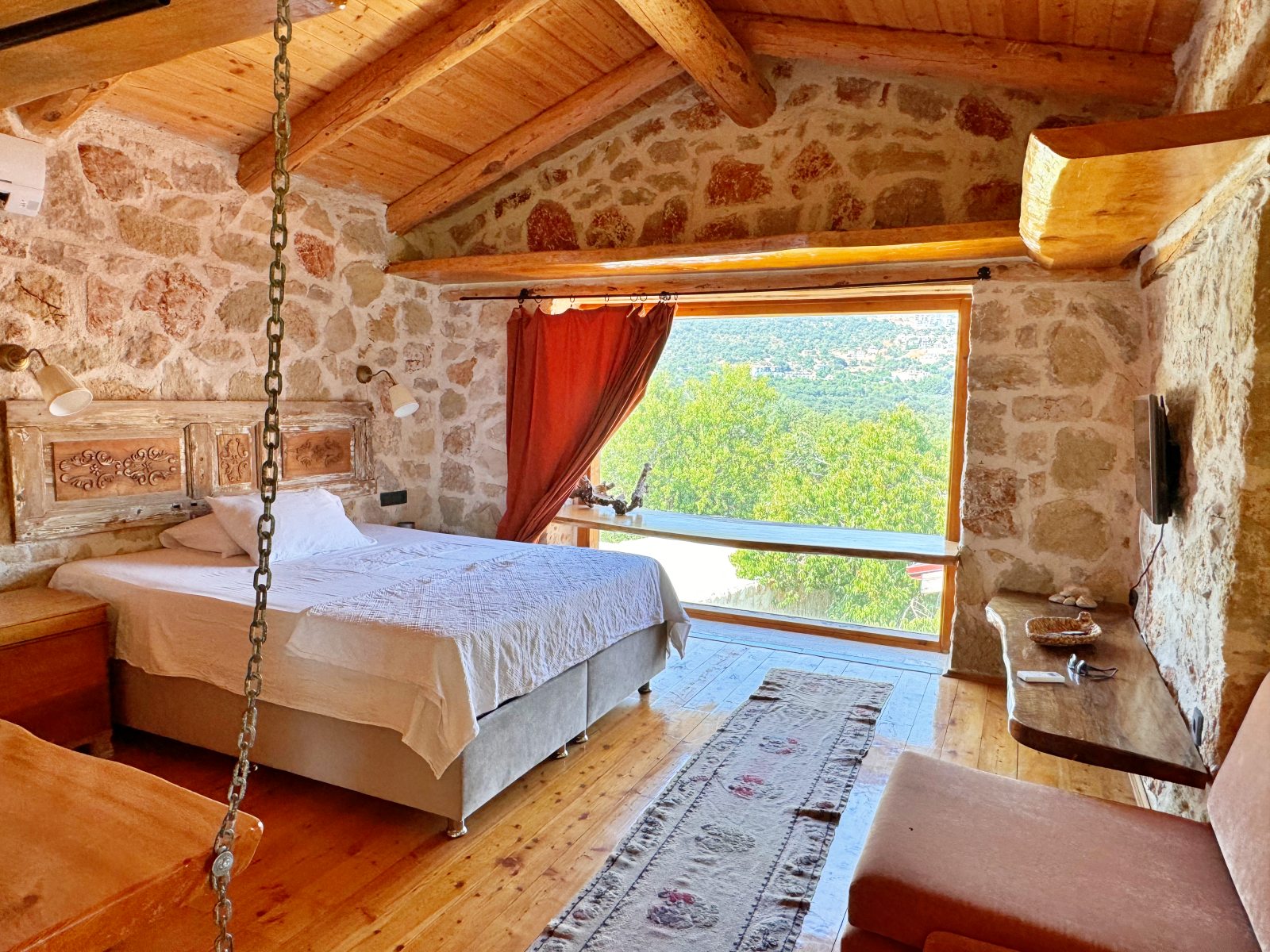
Guests no longer search only for “Sapanca bungalow” or “Kaş bungalow with a hot tub.” They ask ChatGPT and Google’s AI-powered search experiences detailed questions such as “Recommend a quiet, pet-friendly bungalow near Istanbul with a fireplace.” This shift requires bungalow businesses to present their features through clear, verifiable, machine-readable information as well as visuals.
How can bungalows be recommended in AI searches?
In brief: clear location, capacity, amenities, pricing and booking terms; consistent information across the website, Google Business Profile and trusted platforms; and original answers to real guest questions increase the likelihood that AI systems discover the property and match it to relevant queries. No work can guarantee a recommendation in a particular ChatGPT or AI Overview answer.
Google says there is no special “AI SEO” rule for generative search: useful content, technical accessibility and basic SEO still apply. Websites seeking discovery through ChatGPT search should not block OAI-SearchBot.
How do SEO and GEO work together for bungalows?
SEO improves a bungalow’s discovery and ranking in search engines. GEO explains clearly who the property suits, in which season and for what experience. Both work on the same strong information architecture.
1. Describe real features, not general claims
Phrases like “a unique holiday surrounded by nature” can describe thousands of businesses. AI systems need concrete information to match accurately.
- Province, district, neighborhood and actual distances to landmarks
- Bed and guest capacity
- Heated or unheated pool and operating season
- Hot tub, fireplace, kitchen, air conditioning and internet
- Children and pet policies
- Parking, public transport and road conditions
- Check-in, check-out, cancellation and payment terms
- Level of privacy and relationship to neighboring buildings
2. Create a complete page for each accommodation unit
Businesses with several bungalows should not leave every option on one page with a few photos. Create separate pages with capacity, bed layout, amenities, views, access and availability. Photos must show that specific unit, and guests should know exactly which building they are booking.
If prices are not displayed, explain how they are calculated. Make access to the booking engine or a secure inquiry channel easy. Our online booking user experience guide examines this flow in detail.
3. Answer guests’ natural-language questions
AI travel queries often include several conditions at once. Build content around real decision questions, rather than only the keyword “bungalow prices.”
- Can the heated pool really be used in winter?
- Is it safe for families with children?
- Are pets allowed, and is there an additional charge?
- Can guests arrive without a car?
- How far are shops, restaurants, beaches and walking routes?
- Does it offer privacy for a honeymoon?
- Is the internet good enough for remote work?
- What are the cancellation and date-change terms?
4. Avoid duplicate location pages
Provide region-specific directions, seasons, roads, nearby experiences and real distances. Repeating identical text for cities where you do not operate builds no trust. If targeting “Kaş bungalow,” explain exactly where in Kaş you are and how guests reach the center and coast.
Keep Google Business Profile name, address, phone, map pin and website current. Use the verifiable brand name instead of adding unnecessary keywords to the business name.
5. Turn real photos and videos into searchable information
Photos strongly influence bungalow choices, but guests need to know which room, season or amenity they show. Use descriptive file names and alt text. Show the pool, garden, sleeping area, bathroom, kitchen, access road and surroundings from angles that preserve their real scale.
Do not leave short videos only on social media. Add them to the relevant accommodation page with titles, descriptions and text. For professional shoot planning, see our hotel and bungalow video and photography guide .
6. Manage guest reviews as trust signals
Reviews reveal cleanliness, quiet, host communication, road conditions and whether photos reflect reality. Request genuine-stay reviews ethically, never buy them, and answer negative feedback without defensiveness and with a solution focus.
Where possible, display website reviews with their source and date. Do not present outdated third-party ratings as fixed current figures.
7. Use structured data correctly
Appropriate structured data such as LodgingBusiness, Accommodation, LocalBusiness, PostalAddress, Offer, AggregateRating and BreadcrumbList can clarify relationships between the business, unit, price and location. Marked-up information must match what visitors see on the page.
Structured data alone does not secure AI recommendations. Adding outdated prices, unverified ratings or unavailable amenities to schema is not a trustworthy strategy.
8. Keep pricing, availability and booking information current
AI may recommend a bungalow, but incorrect prices or availability quickly lose the guest. Clearly explain seasonal, weekend, minimum-night, extra-person, cleaning and pet charges. Booking engines should work quickly on mobile and show the total price before the final step.
9. Strengthen brand consistency across the web
The brand name and property features must not contradict each other across your website, Google Business Profile, booking platforms, social accounts and trusted local directories. Old phone numbers, wrong locations, changed amenities and conflicting capacity reduce trust for AI systems and guests alike.
GEO content clusters for bungalows
- Experience: honeymoons, families, pets, remote work, quiet holidays.
- Features: heated pool, hot tub, fireplace, sea view, private garden.
- Season: autumn, winter, weekends and New Year stays.
- Location: transport, nearby bays, walking routes, restaurants and shops.
- Decision support: hotel–bungalow comparisons, booking terms and preparation lists.
How do you measure AI visibility?
- Growth in brand and property-name searches
- Impressions for long queries combining location and amenities
- Visits from ChatGPT and other referral sources
- Google Business Profile views and referrals
- Availability checks and booking rates from organic visitors
- Qualified phone, WhatsApp and form inquiries
- Direct booking revenue and channel costs
Common bungalow SEO and GEO mistakes
- Using only generic advertising phrases instead of real features
- Presenting every unit vaguely on a single page
- Failing to explain pictured amenities not included in the booking
- Producing duplicate pages for different cities
- Showing outdated prices, capacity and contact details
- Using reviews or ratings without sources
- Relying only on Instagram without an independent web source
- Making unrealistic promises such as guaranteed ChatGPT recommendations
A 90-day bungalow SEO–GEO plan
- Days 1–30: Verify informationCheck technical crawling, location, contact details, Google Business Profile, capacity, amenities and booking terms.
- Days 31–60: Build experience and feature pagesGive units separate pages; add guest questions, location guides and real photos and videos.
- Days 61–90: Improve authority and measurementStrengthen review consistency, local sources, structured data and internal links; measure visibility and direct bookings together.
Conclusion
AI recommendations for bungalows do not come from one tag or file. Real property information, original images and videos, useful location content, current booking terms, consistent reviews and technical SEO must work together.
At Sosyal Zeplin Creative, we plan Google, ChatGPT and next-generation travel-search visibility for bungalow and accommodation brands around booking goals. Explore our 360 Tourism approach or our tourism advertising agency guide .
Official sources
This article provides general information about digital visibility and does not guarantee rankings, AI recommendations or bookings.
Where should your brand start?
Share your website and priority. Let us define the scope together.
Frequently asked questions
How can a bungalow be recommended on ChatGPT?+
Clear location, capacity, amenities and booking terms, consistent information on trusted platforms, a crawlable site and original content can improve the chance of consideration as a source. Recommendations are not guaranteed.
What is GEO for bungalows?+
GEO helps generative AI answers understand a bungalow’s features and experiences. It works alongside technical SEO, local visibility, structured data, current prices and reliable content.
Is special schema needed for AI Overviews?+
No. Google says no special AI schema is required. Appropriate accommodation, business and offer markup can be used when it matches current visible page information.
Is Instagram enough for AI visibility?+
Usually not. An independent, crawlable website provides a lasting source for property, room, location, pricing and booking information.
Does bungalow GEO increase bookings?+
Visibility for relevant queries can support qualified visits, but bookings also depend on price, availability, trust, reviews, communication and the booking experience.